Clara Amorim and MARE Researchers Ranked Among the World’s Top 2 Percent Scientists
Eight researchers from MARE and ARNET have been recognised among the world’s top 2% of scientists, highlighting the reach of Portuguese research across freshwater, coastal, and marine science. The announcement includes two researchers recognised for career-long impact and six recognised for impact in 2025, among them Clara Amorim, researcher at Universidade de Lisboa and group leader of the FishBioacoustics Lab.
Recognition category | Researcher | Institution |
Career-long impact | Manuel Graça | Universidade de Coimbra |
Career-long impact | João Carlos Marques | Universidade de Coimbra |
Impact in 2025 | Maria Dornelas | Universidade de Lisboa |
Impact in 2025 | Verónica Ferreira | Universidade de Coimbra |
Impact in 2025 | Rui Rosa | Universidade de Lisboa |
Impact in 2025 | Bernardo Duarte | Universidade de Lisboa |
Impact in 2025 | Clara Amorim | Universidade de Lisboa |
Impact in 2025 | Marco Lemos | Universidade de Leiria |
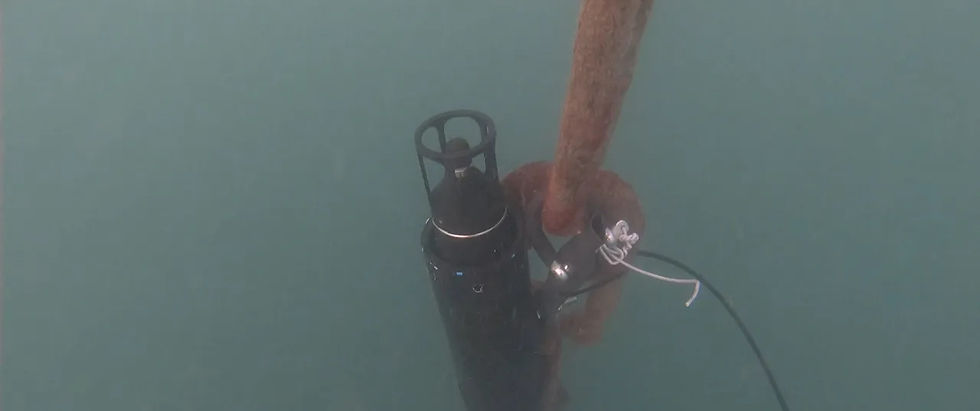
Clara Amorim’s inclusion highlights a pioneering force in the field of fish bioacoustics. As co-founder and leader of the FishBioacoustics Lab, she leads a dedicated team exploring a simple yet powerful question: what can sound reveal about life underwater? Her research delves into how aquatic animals use acoustic signals alongside other senses to communicate, interact, and reproduce. Crucially, her work also examines how human activities are reshaping underwater soundscapes, blending fundamental science with applied conservation to understand and protect aquatic environments.

For Clara Amorim and the FishBioacoustics Lab, the news is also a reminder that sound is becoming an increasingly important way to study aquatic life. Listening carefully can reveal patterns that are easy to miss by sight alone.
Congratulations to Manuel Graça, João Carlos Marques, Maria Dornelas, Verónica Ferreira, Rui Rosa, Bernardo Duarte, Clara Amorim, and Marco Lemos. Their recognition among the world’s top 2% of scientists reflects not only individual achievement, but also the strength of research communities working to understand and protect aquatic life.